The Fascinating Story of a United States Navy Submarine that lead three separate lives
Submarine S-49 was launched in 1921, one of the last four submarines to be built by the Simon Lake Torpedo Boat company, and one of the largest in its time. Although it never served in any conflict, It tested many innovations that were to become standard practices in later years. It was the first US ship to be outfitted with true SONAR, for instance.
After serving for seven years, the S-49 was put in storage, awaiting a refitting that would bring it up to date. But the London Naval Treaty of 1930 put an end to that, and the S-49 was consigned to the scrap yard.
And it was AFTER she had been sold to the scrapyard that her second life began. Because the S-49 wasn’t cut up and broken down, but was given a new and highly visible life. Over the next dozen years she visited more ports than she had before, was outfitted with new engines, and was ultimately fitted up to dive again.
Table of contents
Get a look at all of the content covered in the book. Everything you need to know is inside.
Chapters
1
Submarines
2
Construction and Launch
3
The S-49 at Sea
4
The Explosion and its Aftermath
5
Two Politicians from Revere
6
Point of Pines
/
7
Chicago 1933 — The Century of Progress Exposition
/
8
Cruising the Great Lakes
/
9
Metamorphosis
10
International Incident
11
A Federal Case
12
Patuxent River
13
Afterwards
About the author
Stephen R. Wilk
Steve has always been interested in the weird and unusual. As a child he wrote stories and science articles, sending them in to magazines in hopes of being published. His first published work was The Physics of Karate in Scientific American. Since then he has published scientific papers in refereed journals — Physica Status Solidi, American Journal of Physics, Optics Communications, the AAVSO Journal — and in less technical journals and e-zines — Parabola, Weatherwise, New Jersey History, Classical World, The NAPHA Journal. He was a contributing editor for Optica (the former Optical Society of America) for twenty years, and still writes The Light Touch column for Optics and Photonics News. He has published books on Mythology, Strange Optics, The History of Amusement Parks, and now Submarines.
Born in New Jersey, Steve has a Bachelor’s in Physics from MIT, a Masters degree in Optical Engineering from the Institute of Optics in Rochester NY, and a Doctorate in Physics from the University of Utah. He has been a Visiting Professor of Electro-Optics at Tufts and a Visiting Scientist twice at MIT.
In addition, Steve has written and published genre fiction — science fiction, fantasy, horror, and mystery. His work has appeared multiple times in Analog and in several anthologies and online magazines. His columns on Pop Culture appeared in the e-zine Teemings
Steve lives and works in the Greater Boston area with his wife Jill, daughter Carolyn, and their cat Hestia.
What readers said
★★★★★
“This is a story for readers interested in the history of the U. S. Submarine Service and in the history of amusements and attractions in the first half of the 20th century., and how the two came together to create the ‘long strange odyssey of the S-49.’ I highly recommend it.”
— Dr. Toby Pearlstein
Museum Operations Director
Revere (MA) History Museum
★★★★★
“Stephen Wilk’s brilliantly researched work on the history of the submarine USS S-49 is an interesting and informative work, and a window into an America between two world wars.”
— Gene Masters
Former submariner and author
★★★★★
“..I have finished reading [it] , and found it wonderful. It was a pleasure to see such a rich story unfold in a way that appeals to the average reader. I am sure my father would have enjoyed seeing his research put to such good use.”
— Christopher Beard
Son of Submarine officer and
law professor Joseph J. Beard,
who researched the S-49’s history
About this site
I don’t want to tell the whole story of the S-49 here — that’s why I wrote the book Mystery Ship. But I do want to whet your appetite, and also to use this website as an opportunity to present some images I couldn’t put in the book because they weren’t high enough quality, or I didn’t have enough room, or they were in color.
If you like this book, check out my site Lost Wonderland about the Wonderland Amusement Park in Revere, Massachusetts (1906-1910), or The Writings of Stephen R. Wilk, which has information about my other books, articles, and stories, with links to some of them. It also features original essays by me on a variety of topics.
Construction and Launch
The S-49 came from an era when U.S. Submarines were not given names, only alphanumeric designations. She was one of the four last submarines to be constructed by the Simon Lake Torpedo Boat Company of Bridgeport, Connecticut. The S-48 through S-51 were called Type IV S-Boats, and all had the same design.
This image shows the submarines S-49, S-50, and S-51 at the dock of the Simon Lake Torpedo Boat company before they were commissioned. Note the roller coaster in the background. This is part of the amusement park at Pleasure Beach. It closed in 1954 and most of the buildings burned down.
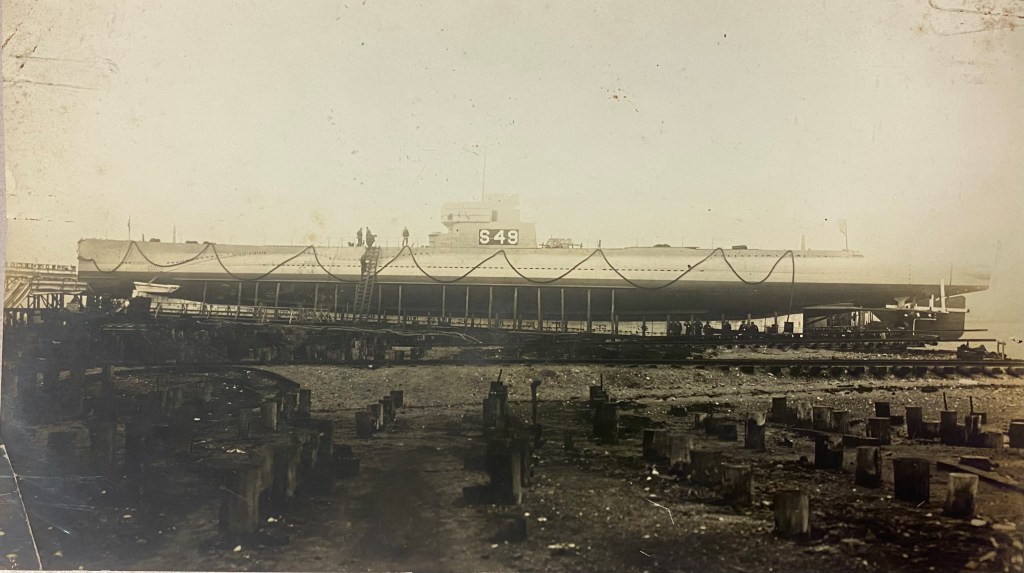
Side view of the S-49 before launch.
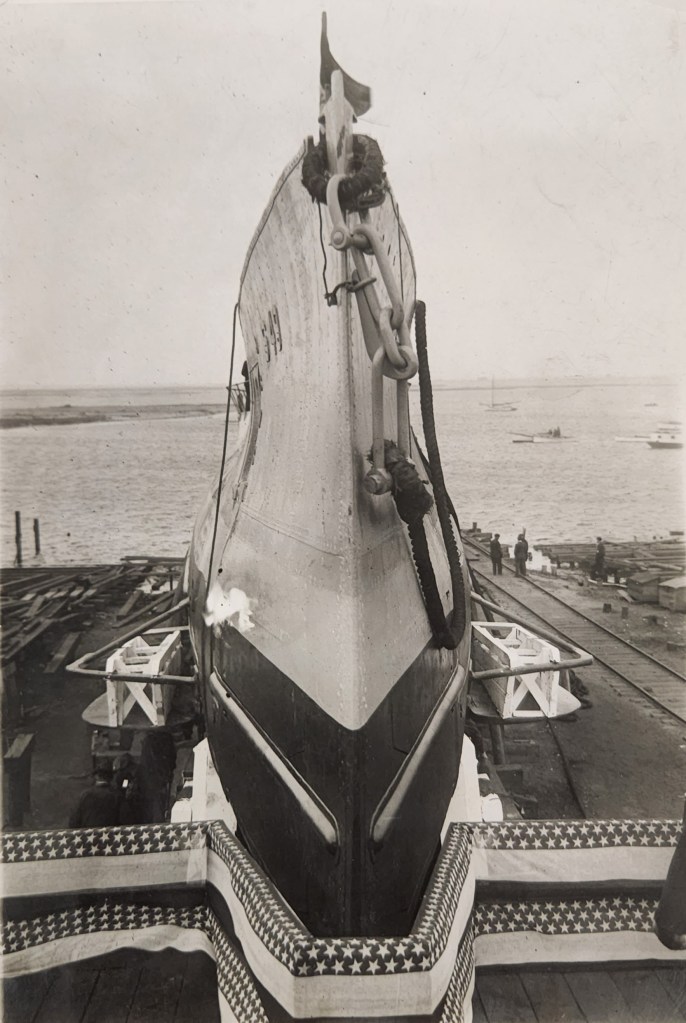
S-49 ready to launch on April 23, 1921. There was a pouring rainstorm most of the day, but 5,000 people showed up.
Christening of the S-49. The “sponsor” (the woman who broke the bottle over the ship’s bow), shown here with the bottle and flowers, was Mayme Huntress Wadson Austin, wife of Captain Joseph Eliot Austin, He was the operating manager for Simon Lake Company, and was also Trial Manager for all Simon Lake submarines, responsible for testing them prior to delivery to the Navy.
Christening the S-49.
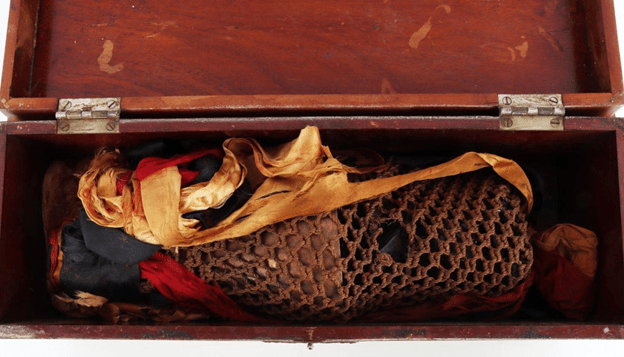
The Christening bottle from the S-49 in its storage case. Its label can’t be read today, and it’s possible that it contained sea water, rather than champagne. This was during Prohibition, after all.
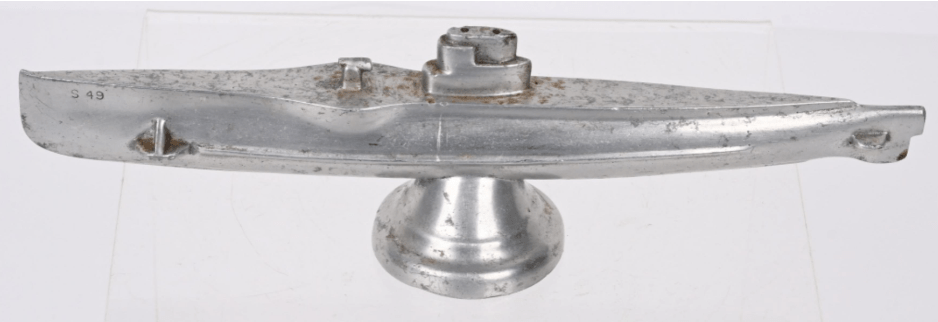
Launch model of the S-49 presented at its launch
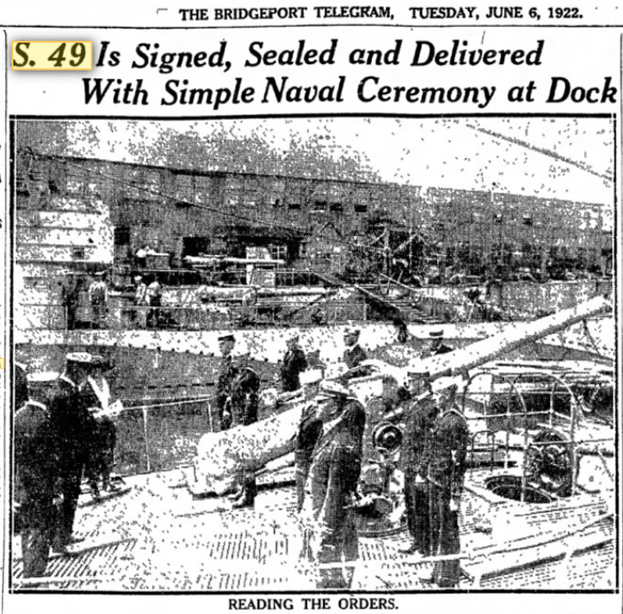
After extensive testing at sea, the S-49 was delivered to the Navy at a commissioning ceremony at the Simon Lake Torpedo Boat yards in Bridgeport CT on June 5, 1922.
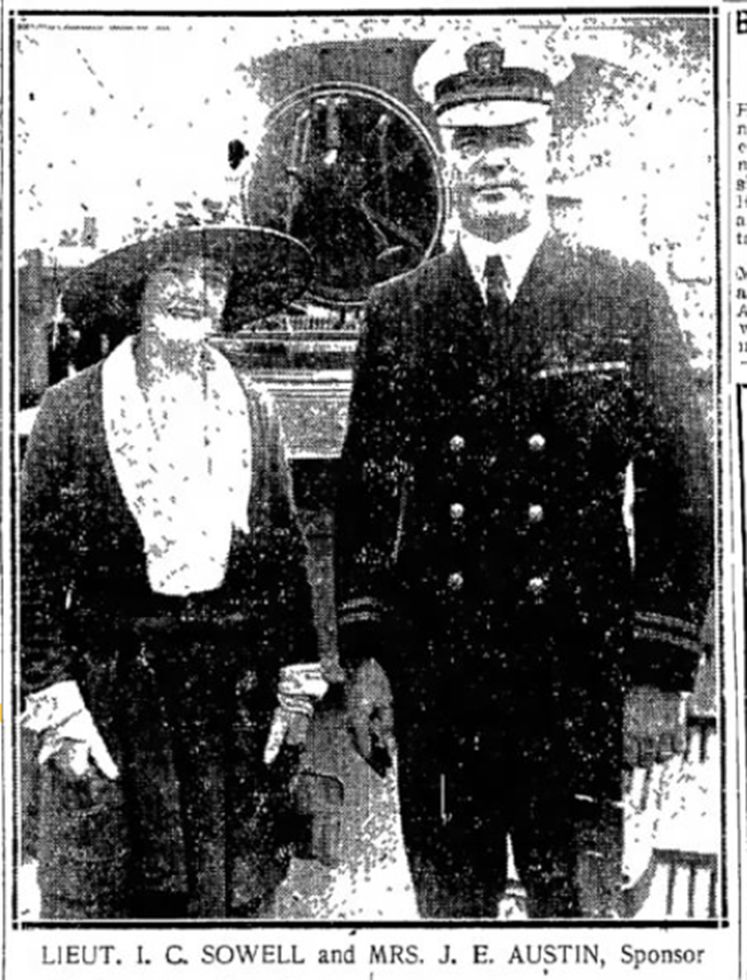
Sponsor Mrs. Austin returned for the commissioning ceremony. She is shown here with Lieutenant Ingram Cecil Sowell (1889 – 1947), who oversaw the fitting and sea trials of the submarine, and who became her first captain. He commanded the submarine until November 18, 1924.
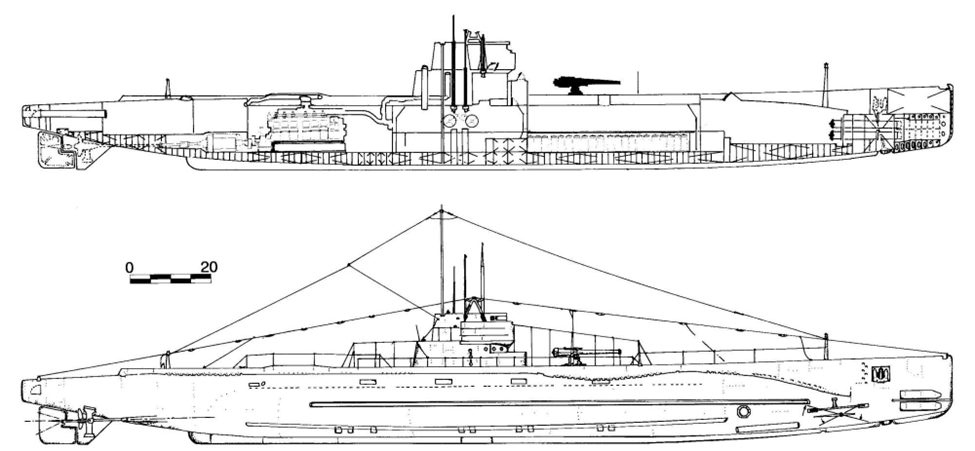
Drawing of S-49
The crew of the S-49 around the conning tower. Undated photograph
U.S. Navy Captains of the S-49
Ingram C. Sowell as a midshipman at Annapolis
Ingram C. Sowell later in life as an Admiral. He held a variety of commands on land and at sea, including battleship divisions in the Pacific at the end of WWII. He was aboard the battleship Missouri in Tokyo Bay at the Japanese surrender. He died of cancer in 1955
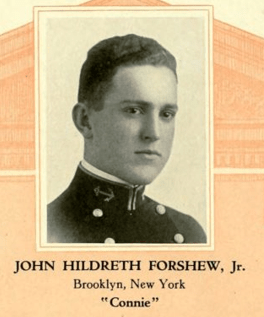
Sowell was replaced as captain of the S-49 by John Hildreth Forshew Jr. (1896 – 1979), shown above as a midshipman at Annapolis. He commanded the S-49 for only five months, but remained on board afterwards as Electrical Engineering officer and Commissary officer. It’s unusual to have so short a command and to remain on board afterwards, but he might have only been intended as a temporary commander.
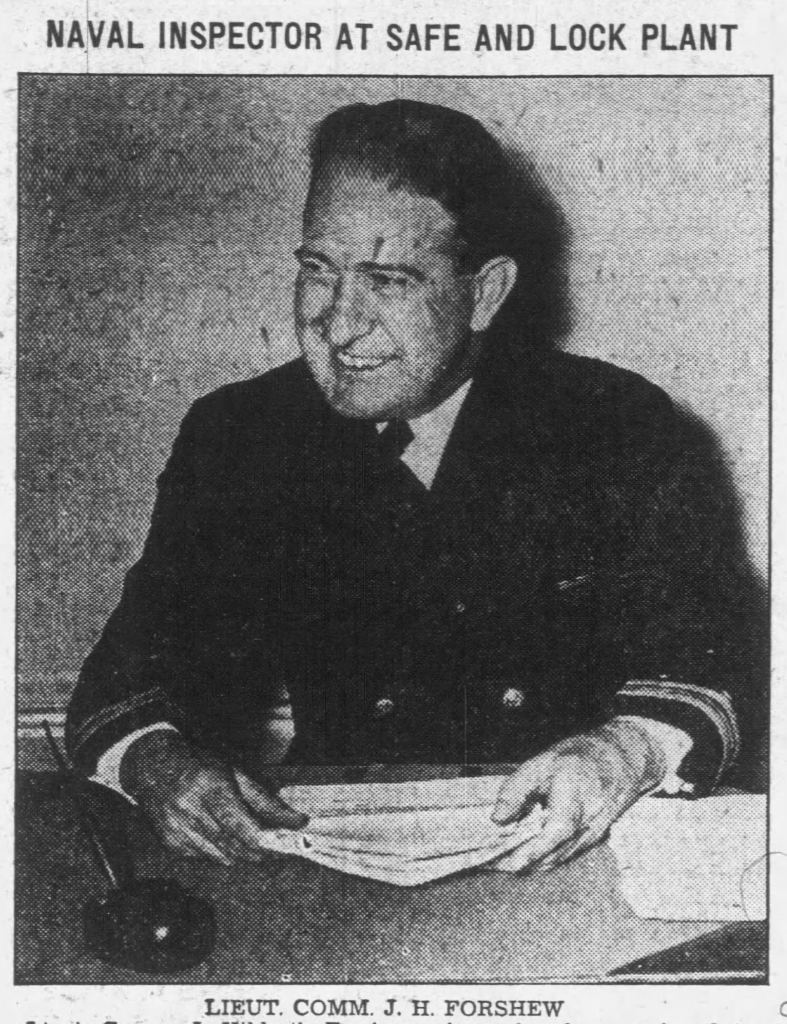
Sowell went on to other submarine commands. At the start of WWI (above) he was Naval Inspector at York Safe and Lock company, which had been converted to a manufacturer of Bofors guns for naval vessels.
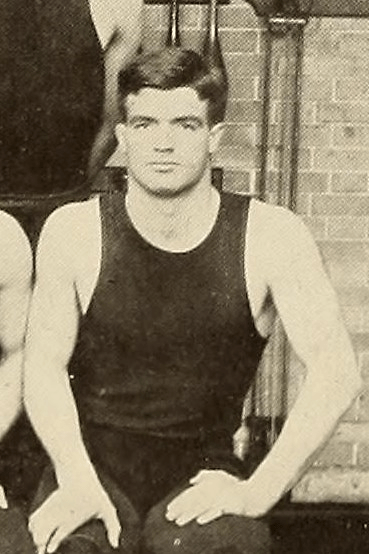
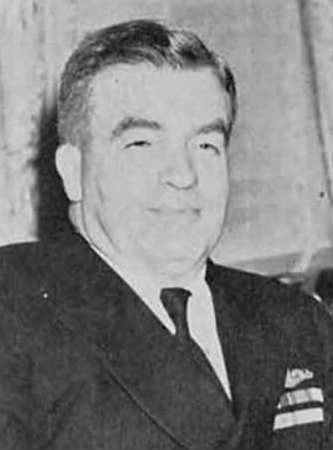
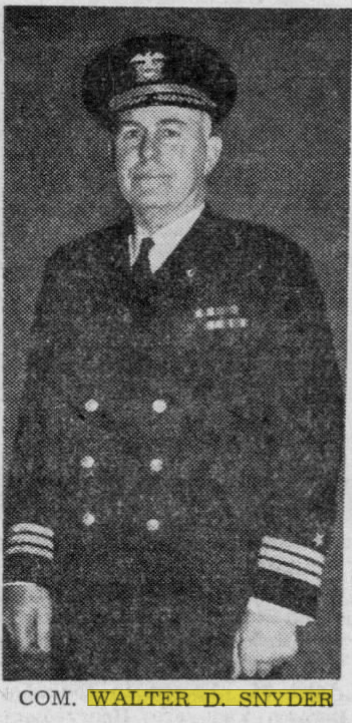
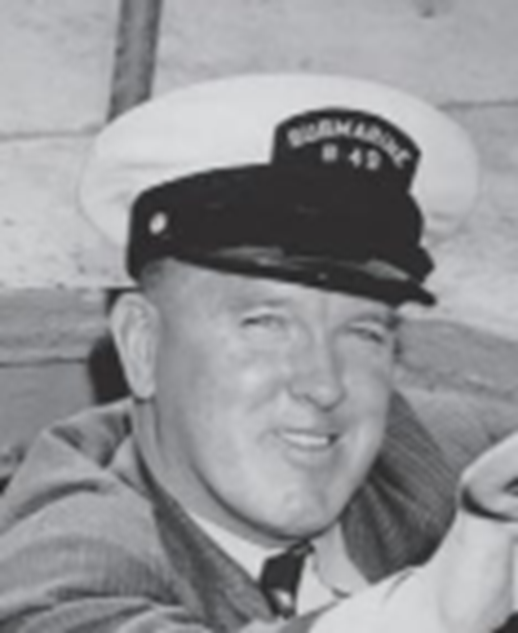
Forshew was succeeded by Walter Douglas Snyder (1885 – 1975). Unlike the two previous captains, Snyder did not attend Annapolis, but came up “through the ranks”
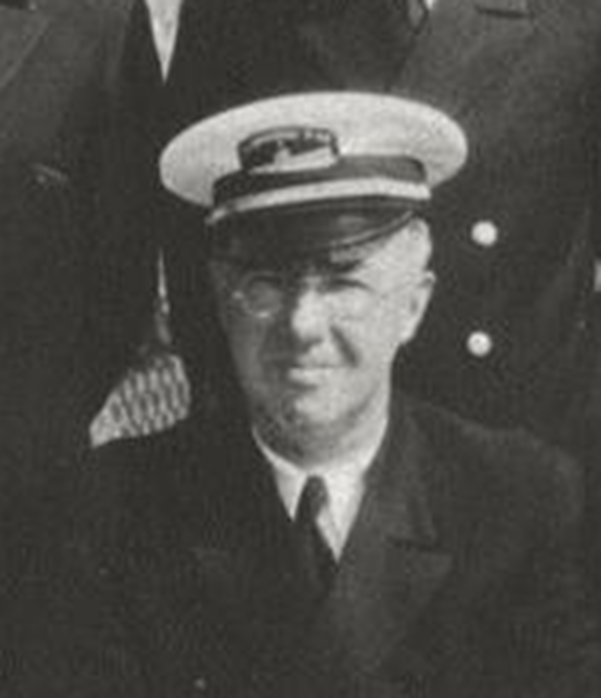
This is the only image of Snyder I have been able to find. It was taken in 1942. Snyder commanded the S-49 from April 16, 1925 until her decommissioning on August 2, 1927. He was her last U.S. Navy commander.
Experiments
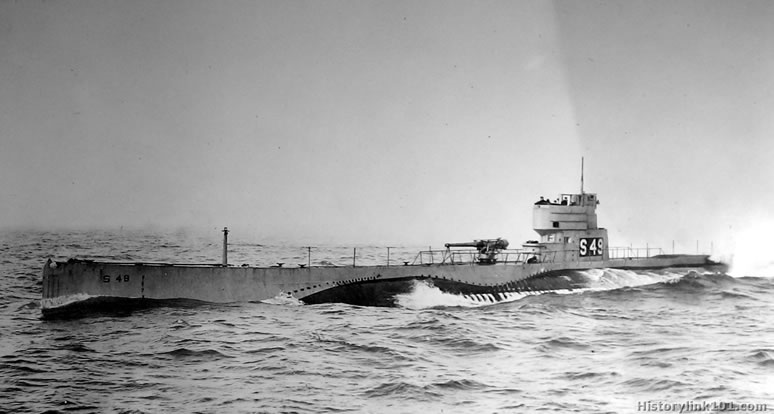
The S-49 was not involved in any conflicts, but she ran regular patrols and exercises, and was involved in testing many submarine innovations, some of which became standard submarine gear.
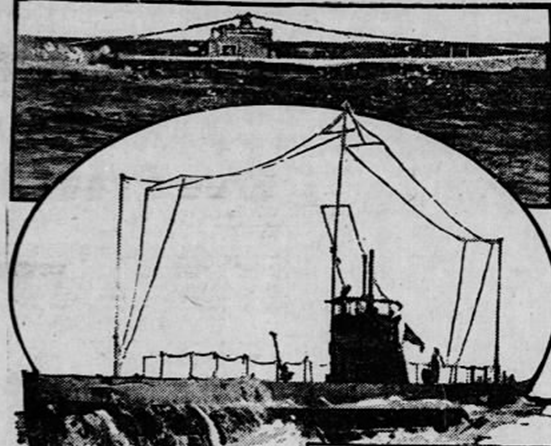
The S-49 (top image in the above) was one of the first submarines outfitted with the new lower radio antenna, unlike older subs (bottom image). The older style had to be removed and stowed before the sub could dive, while subs with the new style left them in place, allowing them to dive with much less preparation time.
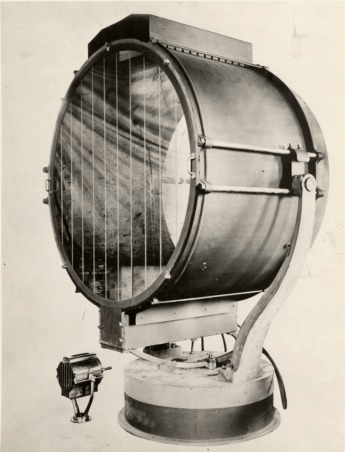
The S-49 did some experimental work with a mounted searchlight, but I have not been able to find out exactly what this was.
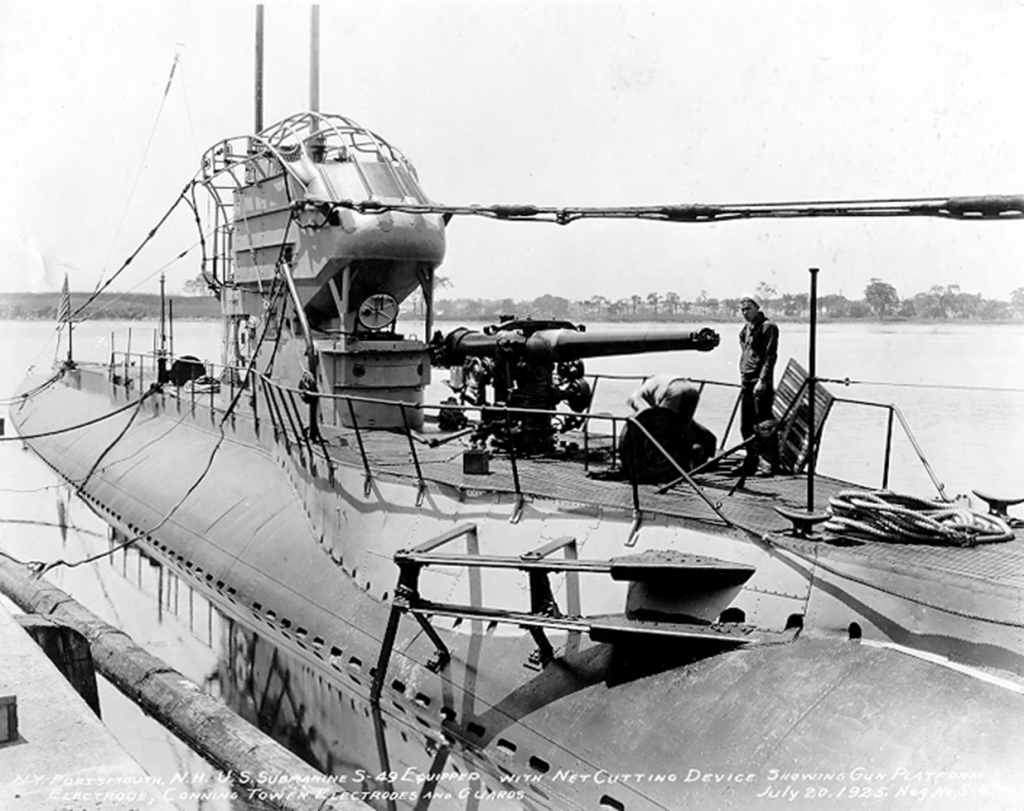
S-49 tested special net-cutting equipment. Part of it is visible in the near foreground. It was a pair of high voltage electrodes that would send high current through the cables of steel submarine nets, melting them. This apparatus, designed and patented by a German engineer, was tested off the coast of Portsmouth, NH, and it actually worked. However, it was so cumbersome and heavy that the submarine could not carry both the net cutting apparatus and torpedoes at the same time. Nevertheless, part of this device was mounted on submarine V-4, which was in Portsmouth at the same time.
Note also the way the bridge and conning tower were covered in smoothly curved bars to prevent the net from snagging on the sub.
The net cutter appears never to have been used by the Navy or by civilian craft.
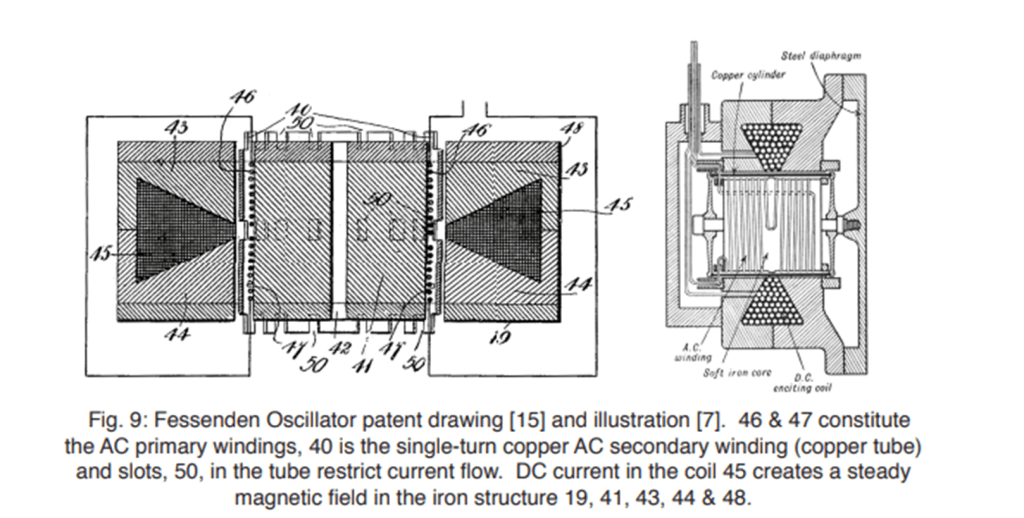
Like many subs of the same period, the S-49 was outfitted with a Fessenden Oscillator, a large and very heavy device that could create “pings” for echolocation of the sea floor, obstacles, and other ships. An MV Hydrophone was used to listen for the returns. This proto-SONAR device was not as fast or as accurate as later SONAR devices would be, because the wavelength was so long.
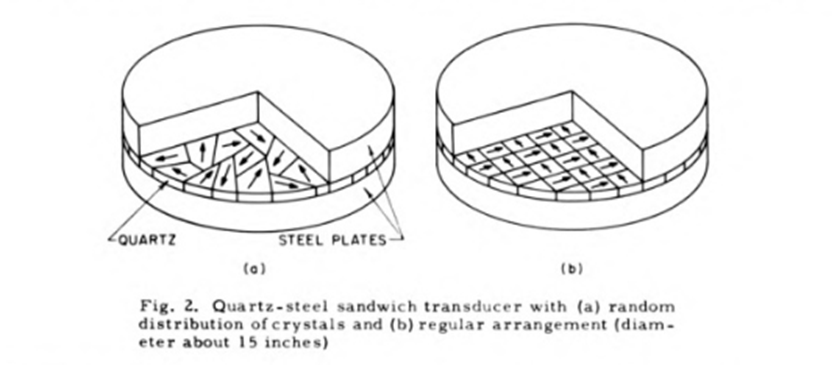
In January and February 1927 the S-49 and her sister ship, the S-50 became the first US Nay vessels to be fitted with “Supersonic” listening devices, the piezoelectric crystal high-frequency, short wavelength echolocation device that evolved into true SONAR. It was the success of these devices that convinced the Navy to continue with the development of this technology.
Decommissioning
It had been planned to put the S-49 and the S-50 into storage at Liberty Island in Philadelphia until money became available to install improvements on them, as the S-48 had been upgraded (The S-51, the other remaining Type IV S-boat, was tragically lost due to a collision near Cape Cod).
The S-49 and S-50 arrive at the Philadelphia Navy Yard for decommissioning.
Before this could happen, however, the London Naval Treaty was signed. According to the terms of this treaty, nations agreed to give up many of their submarines and surface ships, to be scuttled or scrapped by 1936. The S-49 and the S-50 were among those designated for the scrapyard
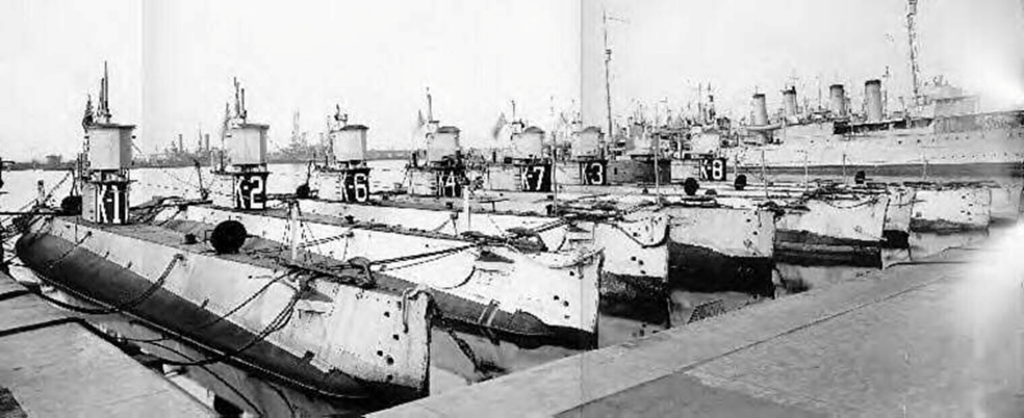
“Mothballed” subs and surface ships lined up at Liberty Island.
The sight of so many ships destined for the scrapyard encouraged several people to attempt to purchase them for display or as research vessels, but Hoover’s Secretary of the Navy, Charles Francis Adams III, refused all such requests as inappropriate. It appeared that the S-49’s days were numbered.
Second Life
The S-49 was rescued from this fate — literally purchased after she had been bought by a scrapyard — by two politicians from Revere, Massachusetts
William Martin Keevey (1886 – 1960) was a shipfitter and superintendent at the Boston Navy Yard, (and later at the Fore River Shipyard in Quincy). He was also three times elected as Treasurer for the city of Revere, and served as officer in several organizations, including the Point of Pines Yacht Club, the Yachting Commission for the Tercentenary Committee, and was Chairman of the legislative committee of the Bay State Yacht Clubs. As a result, he knew Charles Francis Adams III, who was an avid yachtsman (he won the America’s Cup) and a member of the Quincy Yacht Club. Because of this connection, Keevey was able to succeed where others had failed, and got permission to bid on a surplus submarine.
Keevey’s close friend and partner was Francis Joseph Chrestensen (1892-1966). Chrestensen was also a Revere politician, although not as successful. He was a manager and salesman, and arranged for the financing that enabled them to purchase the S-49. Neither man was rich, and this was the beginning of the Great Depression. Nevertheless, they managed to get together enough money to buy the S-49.
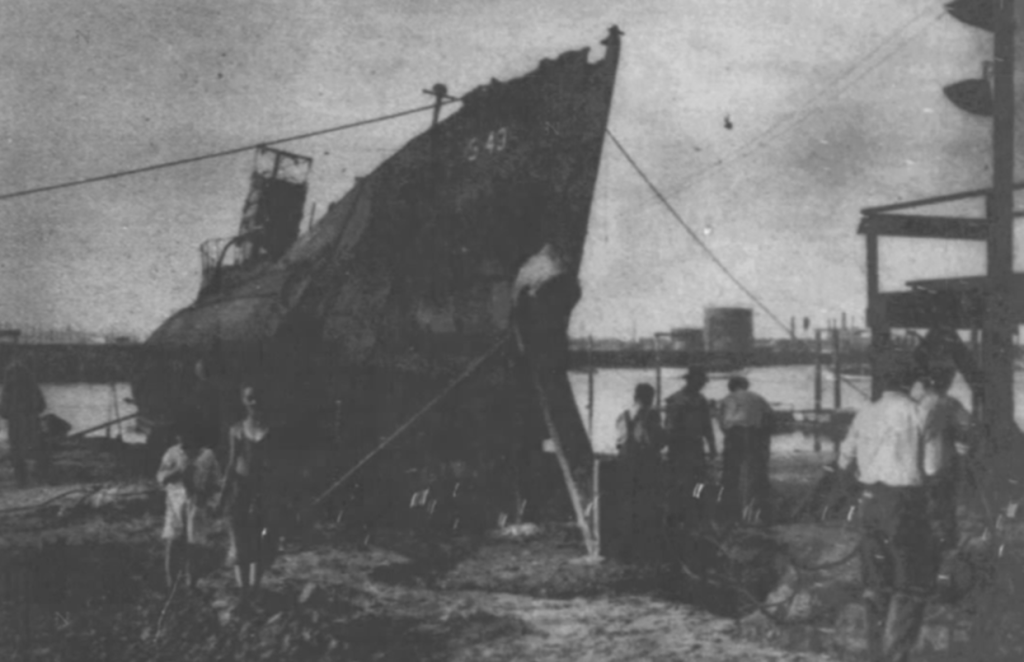
The S-49 at a shipyard in Chelsea, MA, after being towed up from Philadelphia. The Navy had stripped the S-49 of its periscopes, deck gun, torpedoes, and batteries. Holes had been drilled into the diesel cylinders to prevent the motor from being used, the dive controls had been locked, and some panels welded shut. The S-49 was not so much a submarine as a submarine-shaped float that could not propel herself and had to be towed. At Chelsea they removed some bulkheads below, cleaned and painted the ship, took out the fore and aft torpedo-loading hatches, and installed staircases, all of which made it easier for civilians to tour the vessel. It was towed to Keevey’s Landing, a plot of land rented by Keevey next to the Point of Pines Yacht Club in Revere, where he had a boat rental concession and a “Shore Dinner” restaurant.
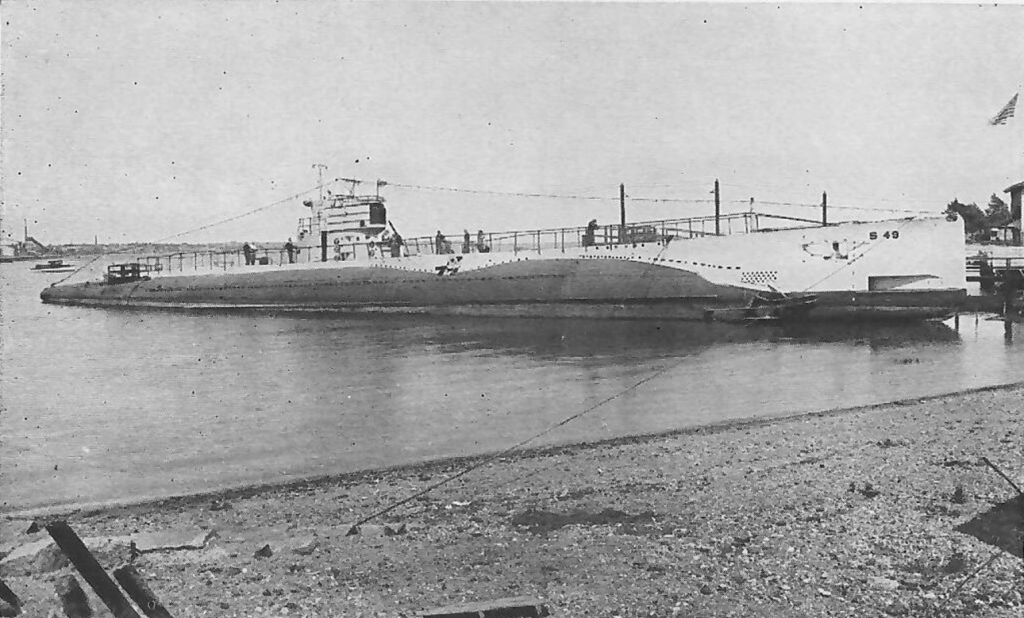
The S-49 at Keevey’s Landing at Point of Pines, Revere. They pulled her high enough on the beach so she would not be swept out at high tide.
“Doghouse” shelter placed over the staircase on the S-49
Motor Room on the S-49 with the staircase installed through the torpedo-loading hatch.
The S-49 was exhibited from 1931 through 1932 at Keevey’s Landing, but the proceeds were decreasing. They had planned to take the ship on a tour of the East Coast, docking at different cities, until a member of the Fields family told them about the upcoming Century of Progress Exhibition and World’s Fair that was going to be held in Chicago in 1933.
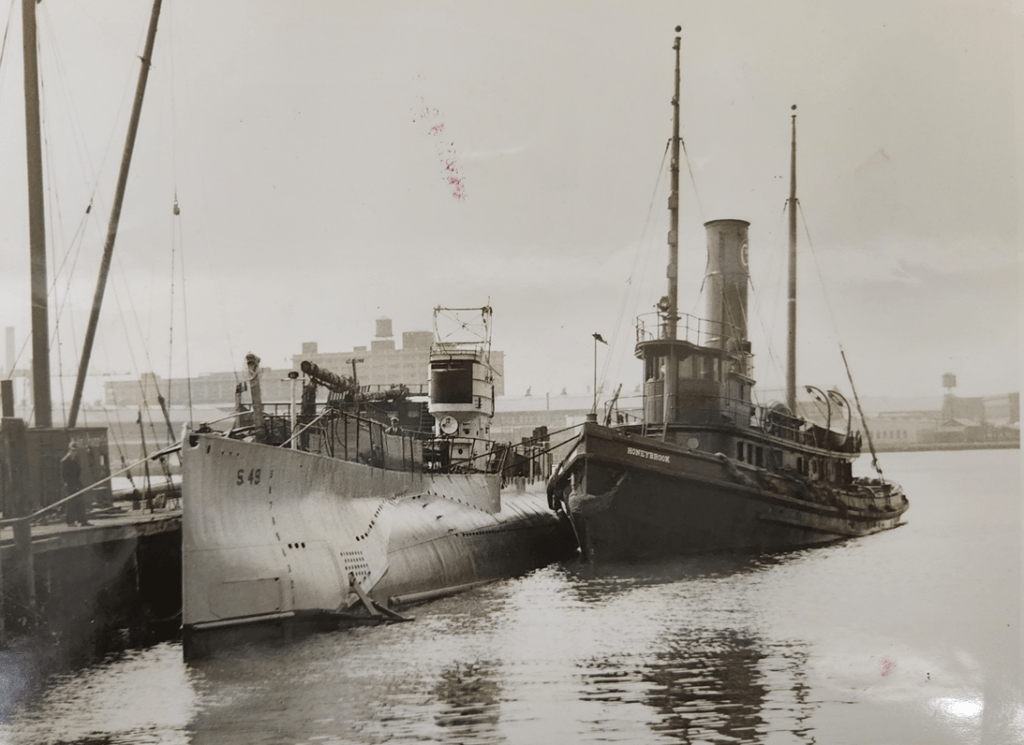
They arranged financing and hired a powerful tugboat, the Honeybrook, which towed the S-49 up the East Coast, up the St. Lawrence River, and through the Great Lakes to Chicago.
The S-49 and the Honeybrook in Boston before setting out.
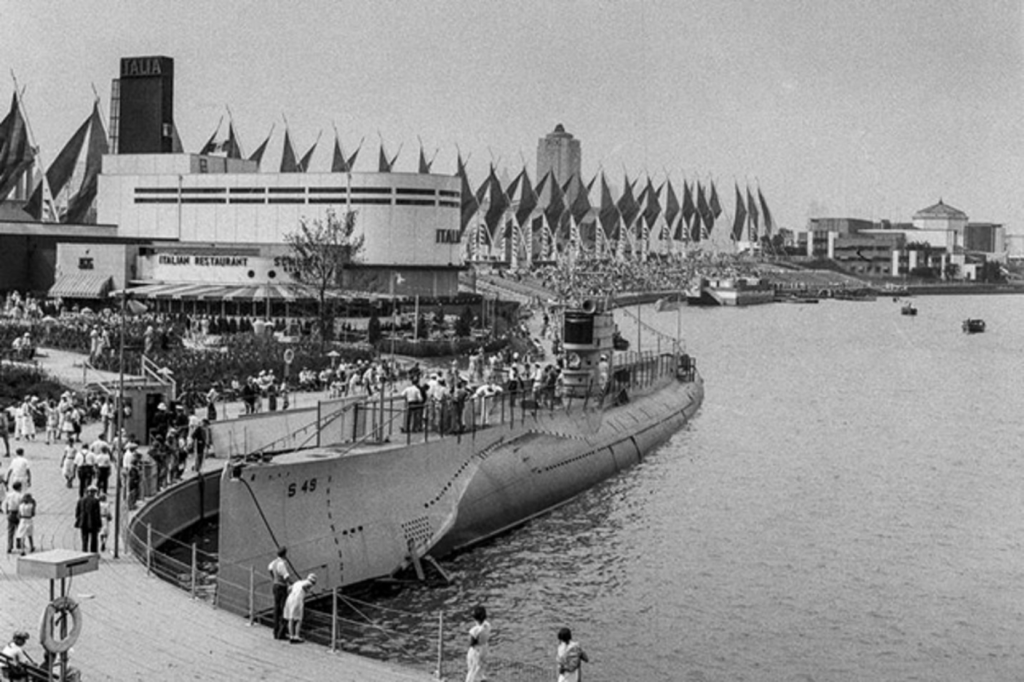
The S-49 in front of the Italian pavilion at the 1933 Chicago World’s Fair. She was a huge hit at the Fair. People who had visited her at Point of Pines visited her again in Chicago.
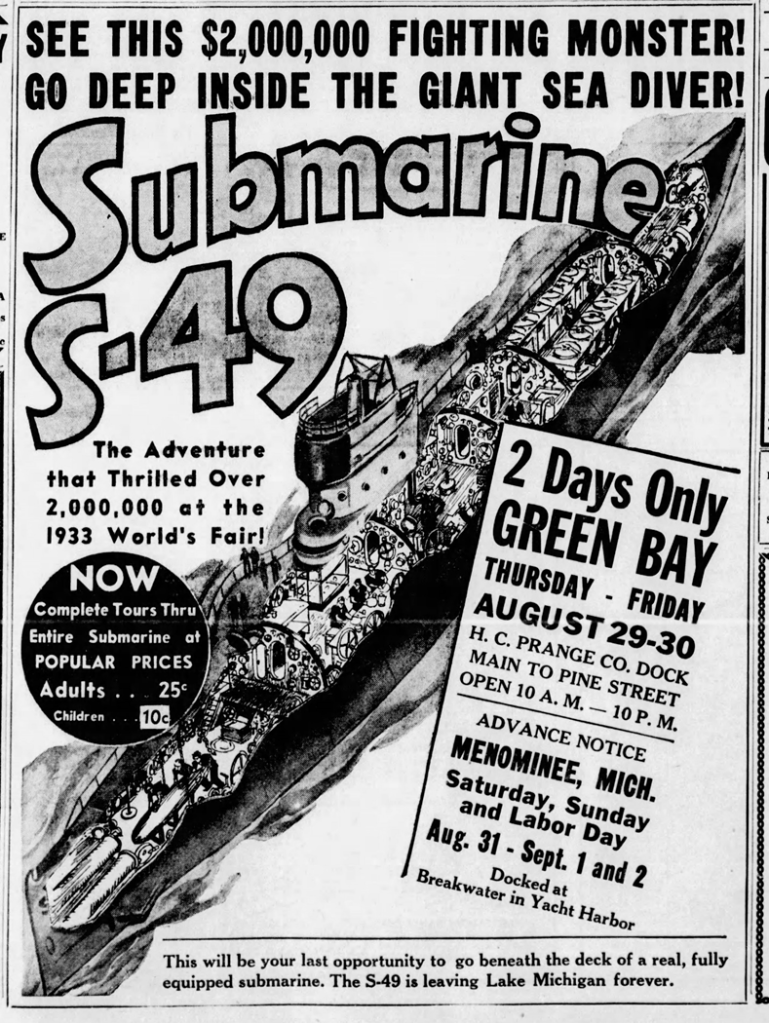
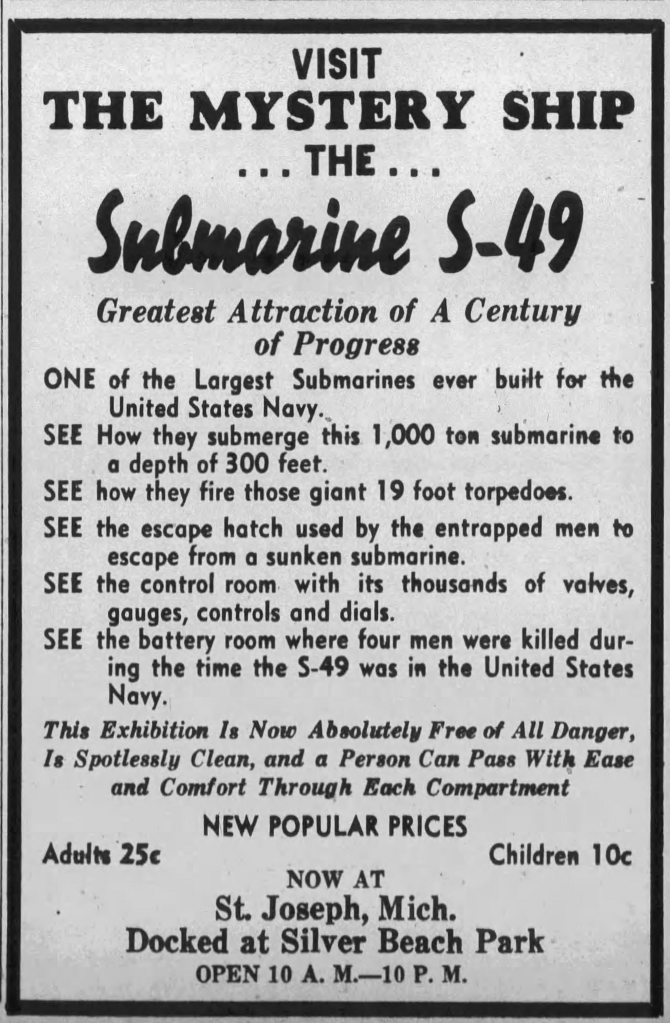
Keevey and Chrestensen continued to exhibit the S-49, first around the Great Lakes, then along the East Coast of the United States. But there were problems. By the terms of the London Treaty, she had to be scuttled by 1936, and Chrestensen, at least, did not want to give her up. The S-49 ended up in several court cases, including one international incident, and another case that went all the way to the US Supreme Court. And after her life as an exhibit under Chrestensen and Keevey, the S-49 went on to yet another life afterwards. To find out about all of this, read the book Mystery Ship.
Extra — What Color was the S-49?
During her life in the U.S. Navy, of course, the S-49 was colored silverish-gray, like all Navy vessels. But what color was she in civilian hands?
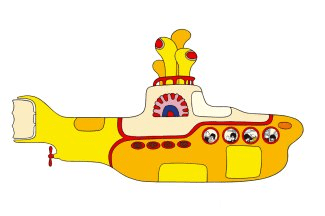
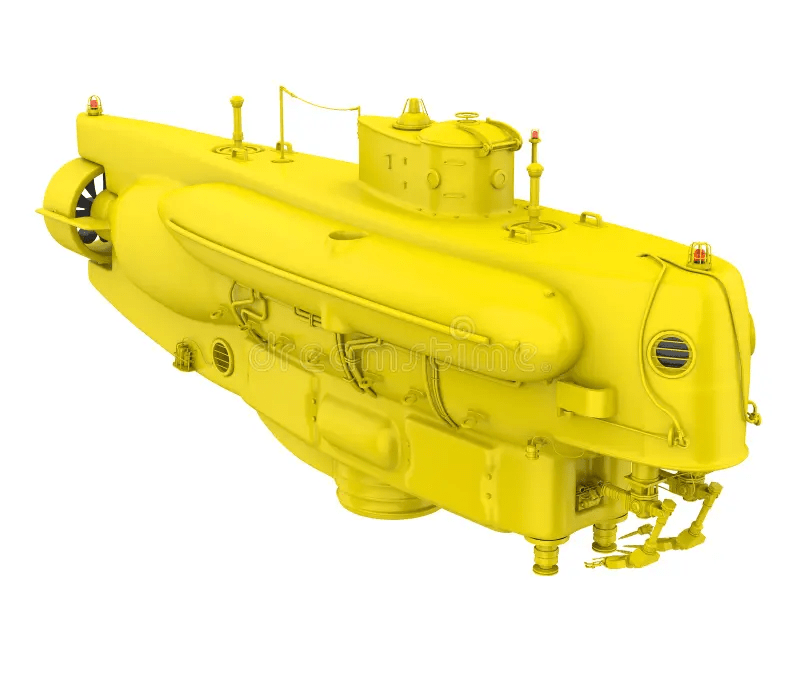
I bring this up because there is a persistent Internet rumor that the S-49 was colored YELLOW.
Today, of course, it’s not unusual for mini-subs to be painted bright yellow or orange, to make them easily visible. But in 1931 no one was doing this, especially to full-size submarines.
So what’s the truth? Having carefully examined contemporary reports of the S-49, I can find no corroboration that she was ever painted yellow. Almost all reports about her color call her “gray” or “silver”. Almost all images of her are black and white, but I did locate one image of her in color at the 1933 Chicago Fair, where she stands out against the bright red flags of the Italian pavilion:
The S-49 in a little hard to see in the dark at the bottom of the photo, but you can clearly make out her light gray top and darker gray below. She’s definitely not yellow.
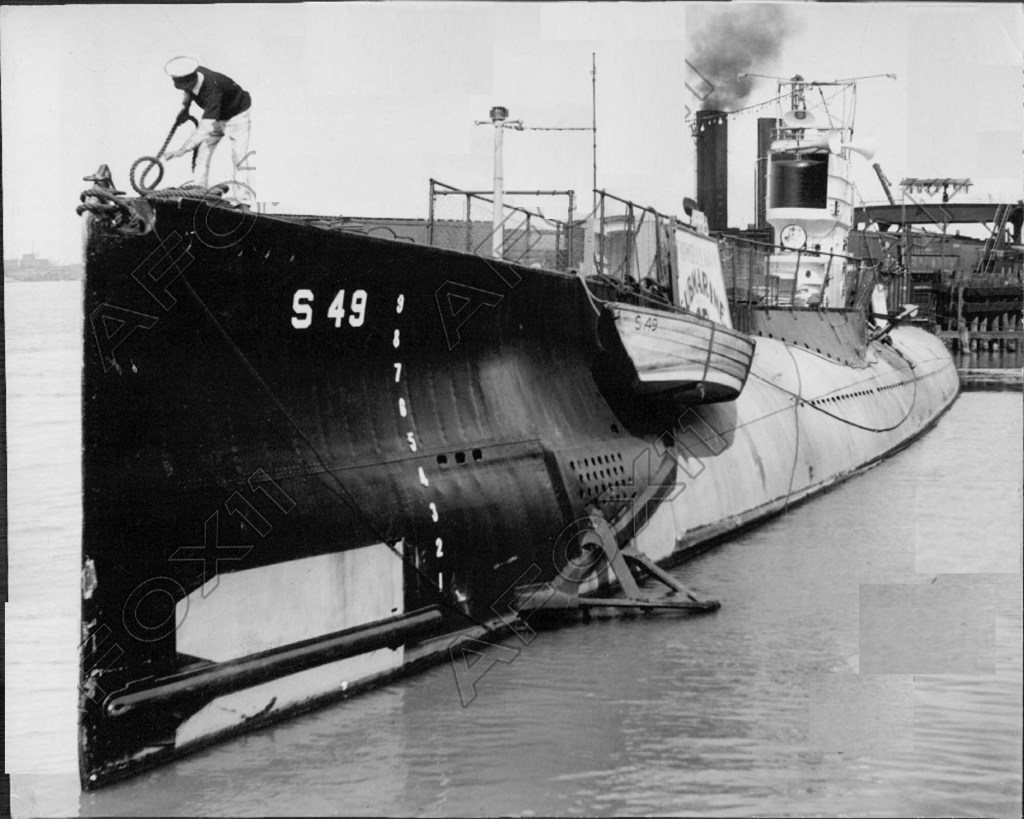
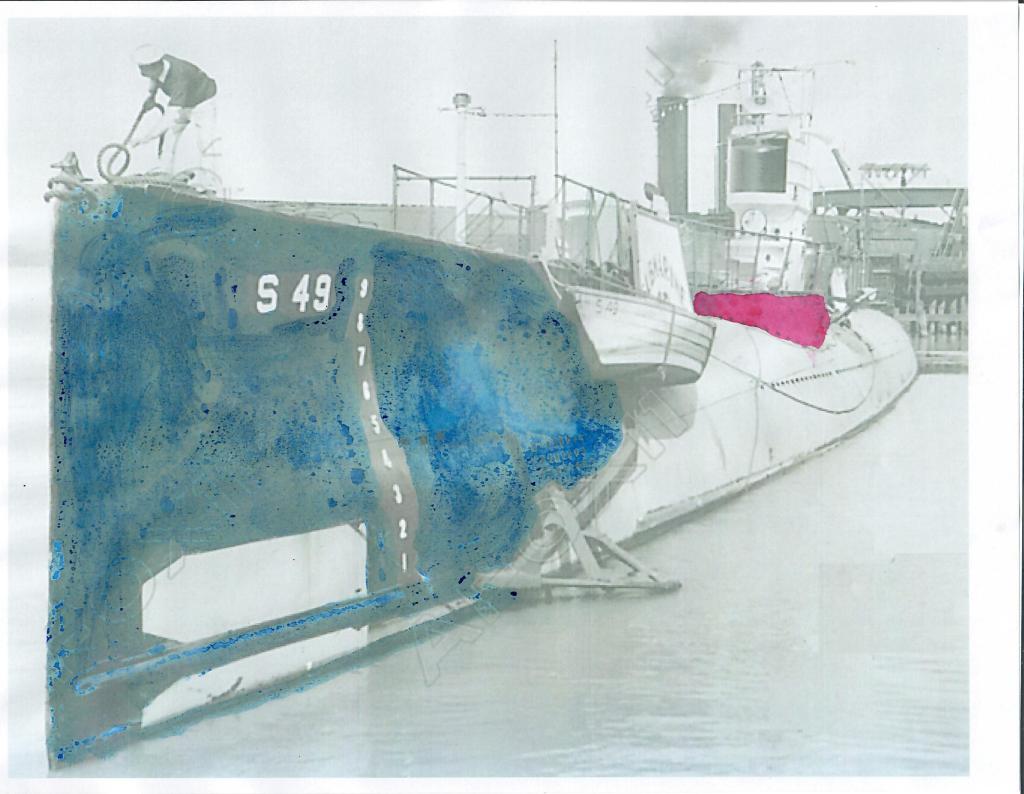
There is, however, one brief period during which the S-49 was not silver-gray. During her tour of the Great Lakes in 1935-1936 she was evidently painted a patriotic Red, White, and Blue. This explains the unusual photograph of her in Windsor, Ontario taken on September 10, 1935 that appears to show her with an anomalously black bow:
It was only after I studied this image for a while that I realized that this photo captured the S-49’s “red, white, and blue” phase. The dark blue that the bow had been painted photographed as black, while the red the top portion further back was painted appeared gray in the photo. Below is my crude colorization of this image to give an idea of what she really looked like:












 Mystery Ship